
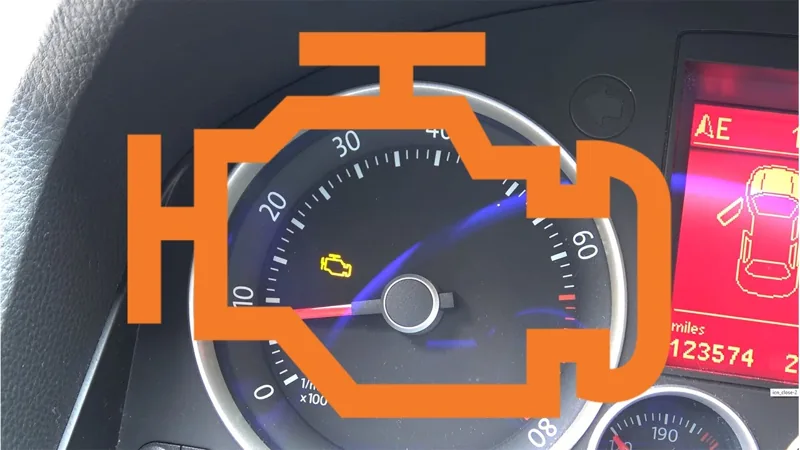
Flashing or steady: what changes your next decision?
First: symptoms and other warnings. Then: flashing or steady. Next: the vehicle’s instructions—not a guess from the lamp alone.
Flashing, shaking or running badly
The video explains that a flashing check-engine light can signal a misfire severe enough to damage the catalytic converter. Reduce demand on the engine and reach a safe stopping place. Follow the manual’s instructions and arrange assistance if you cannot continue safely.
Steady and seems to run normally
You still need the fault checked. Arrange diagnosis promptly, record what happened and consult the manual before deciding on further driving. The light alone cannot tell you how serious the fault is.
Other warnings change the situation. Oil-pressure or overheating warnings, smoke, a strong fuel smell, severe noise or a major loss of power are reasons to stop safely and get help. Do not use a steady check-engine light as reassurance against those symptoms.
▶ Why a flashing warning matters 3:51Manufacturer instructions differ. For example, Honda directs owners to the warning instructions for their vehicle. This guide cannot clear your particular car for driving.
Before anyone erases the codes
- Save the exact code—not just its description.
Write down every code, including its letter and all four digits, and whether the scan tool labels it current, pending or stored. Keep the report or a photo for the technician.
- Capture the circumstances.
Was the engine cold or hot? Did it happen at idle, under acceleration or after refueling? Note shaking, stalling, smells and other warnings. Ask for the available freeze-frame snapshot before clearing fault memory.
- Keep the starting point.
Do not clear codes or disconnect the battery just to turn the light off before diagnosis. You can lose useful information, and readiness monitors may need to run again. A light that goes out is not, by itself, a confirmed repair.
A code points to a test. It does not order the part.
GoTech makes this point early in the video: the code directs the diagnosis. A circuit or system can fail a check because of the component, its wiring, a related condition or a different underlying problem.
▶ What a diagnostic trouble code means 1:28For example, the Honda Fit below had an injector-circuit code and a misfire. The useful repair decision came from several electrical checks—not the code description alone.
▶ Why the effects vary between vehicles 1:55Choose a guide that matches what you found
Match the code, symptoms and vehicle scope. These are starting points, not a list of parts that will fix every car with that code.
What to ask the shop
Bring the code report, symptoms and recent repair history. You do not need to arrive with a diagnosis.
- What test points to the failed part?
Ask what was measured, what was expected and how the result separates the suspected part from wiring or other causes.
- What is included in the repair?
Confirm the repair scope, any required setup or programming, and whether further testing could change the estimate.
- How will you confirm it is fixed?
Ask how they will recheck the original complaint. If an emissions test is due, also ask about monitor readiness rather than just whether the warning light is off.
Your owner-to-shop handoff
“The light is [steady / flashing]. It happens [cold / hot / idle / accelerating / after refueling]. I notice [symptoms and other warnings]. Here are the exact codes and recent repairs. Please save the scan data, diagnose the cause and call with the findings before replacing parts.”
Use this as a note for your shop. You do not need to know the failed part.
Technician intake: turn that report into a test plan
This is an intake checklist, not a substitute for the code’s diagnostic procedure.
- Record before clearing. Save all available DTCs and their status, freeze-frame data, readiness and the warning messages. Keep the owner’s description alongside the scan report.
- Separate now from before. Note which symptoms are present, which codes are historical or pending, and what has already been replaced. Match the engine state and operating conditions in the complaint.
- Name the next discriminating test. State what result would support the suspected fault and what would send the diagnosis elsewhere. A code description is not that test.
- Agree the finish line. Record the repair, any required setup and the plan to repeat the original fault conditions. For an emissions concern, report monitor completion separately from cleared codes.
Keep these distinct: the owner’s symptom, the stored record, what you can reproduce today and what the completed repair actually verified.
A few common questions
Can I drive with a solid check-engine light?
The light alone cannot answer that. Symptoms, other warnings and your vehicle’s manual determine the next step. A car that seems normal still needs prompt diagnosis.
Will clearing the code fix it?
Clearing removes fault information; it does not repair the cause. Save the evidence first, diagnose the problem and recheck after the repair.
Why did traction control or another feature turn off too?
The video explains that some vehicles disable related features when certain engine faults occur. Which features are affected depends on the vehicle and fault. Record all warnings and have the relevant systems scanned; do not assume they are all separate failed parts.
Watch the original GoTech videos
Every timestamp above plays here. Use “Back to where you were” to return to the check you were reading.
Video loads only when you choose to play.
What this guide covers
A first-decision guide for owners, based on the GoTech explanation. It does not diagnose a vehicle from its warning lamp or provide universal safe-to-drive, speed-limit or repair instructions.
Written by GoTech from the original videos. The linked source moments let you check the explanation against the demonstration.