
P0303 tells you where. P0203 adds a circuit clue.
P0303 is a cylinder 3 misfire code. P0203 points to the cylinder 3 injector circuit. Together they give you a useful place to start; they do not tell you to buy an injector or a PCM.
This car already had a PCM, harness, oxygen sensors and injectors replaced. GoTech records that history, then starts fresh. Stored codes include cylinder 3 and cylinder 4 misfires, but the live counters show cylinder 3 misfiring during this test. Cylinder 4 is not doing it now.
▶ Start fresh, then check current misfires 0:36- ConfirmWhich cylinder is misfiring now?
- SeparateMechanical, injector or circuit evidence?
- RepairAddress the cause before PCM setup.
- VerifyRecheck the original misfire, not just the start.
What you need before following the electrical checks
- Know the circuit and your test equipment.
The demonstration uses live misfire data, an oscilloscope with current clamps, a suitable injector-command light, a multimeter and a loaded wiring test. Get the correct diagram, connector identification and service test procedure for your Fit. This is not a pin-by-pin wiring sheet.
- Keep the initial evidence intact.
GoTech captures injector current before unplugging or moving the harness. Moving a poor connection can make an intermittent fault disappear before you have recorded it.
DIY or taking it to a shop? Start with this handoff
Save the full code report, when cylinder 3 misfires and the previous repair list. Ask the shop to check the injector and its circuit before approving a PCM. The electrical tests below need the correct diagram, protected test equipment and the skill to use it.
A useful question: “What shows the injector is good or bad, and what separates the wiring from the PCM?”
The compression screen narrows the next step
GoTech starts with relative compression while cranking, using a current clamp and scope. The pattern is even enough to continue investigating the injector circuit. The presenter also says this does not rule out every mechanical problem.
That distinction matters. This is a screening result, not a cylinder-pressure specification or proof that the whole engine is mechanically sound. An uneven result or remaining symptoms would need the appropriate mechanical checks. Use the vehicle procedure to prevent starting during the test.
▶ Relative compression and its limit 2:02Separate injector current, feed, command and wiring
Follow the path, then put the results together. Other injectors working does not prove that cylinder 3 has power, and no pulse does not automatically mean a bad computer.
| Check | In the GoTech case | What to do with that result |
|---|---|---|
| Relative compression | The cranking pattern was even enough to continue. | Continue with the circuit evidence. An uneven pattern changes the next check; this screen does not clear every mechanical fault. |
| Injector current | One repeating current event was missing. | Separate the feed, injector and control path. The current pattern alone does not name the failed part. |
| Feed at cylinder 3 | The test light showed power at the connector. | Continue with the command check. If feed is missing in your test, resolve the supply fault first. |
| Command comparison | No flash at cylinder 3; the same setup flashed at cylinder 2. | The comparison supports a missing command at cylinder 3. It does not yet separate the control wire from the PCM output. |
| Loaded control wire | With the PCM disconnected, the test bulb lit through the wire. | The wire carried this test load. An unsuccessful test needs circuit/setup diagnosis before a PCM decision; continuity alone is not the same result. |
| Injector resistance | Cylinder 3 was much lower than the stated specification and the working injector. | Address the shorted injector as well as the failed output identified in this case. Do not install another PCM while leaving the damaging load unresolved. |
Use the exact wiring diagram, specified test conditions and an appropriate protected load. Never apply battery power to a connected PCM output. The table records this case; it supplies no pinout or resistance specification.
Why another PCM was not the whole repair
After the circuit checks, GoTech identifies a failed PCM output. But this car already had a replacement PCM. The next question is what could damage another one.
The presenter checks the injector resistance against service information and compares it with a working cylinder. Cylinder 3 measures much lower, supporting a shorted injector. GoTech identifies both the injector and PCM as faults in this case.
▶ Check the injector before risking another PCM 10:18- Resolve the injector fault first.
Use the correct injector specification and test conditions for the vehicle. The video discusses replacing a set, but that is the presenter’s repair choice—not proof that every P0203 needs four injectors.
- Plan the replacement and setup together.
Match the replacement PCM to the application and confirm the required authorized programming, immobilizer registration and vehicle information before ordering. A used module that plugs in is not necessarily ready to run.
The injector installation is not shown in these two videos. Use the vehicle’s fuel-system procedure, seals, specifications and leak checks for that part of the repair.
Technician checklist: diagnosis → repair → setup → recheck
- Close the diagnosis. Record the feed, command comparison, loaded-wire and injector results against the vehicle procedure. A no-pulse result alone is not a PCM diagnosis.
- Finish the fuel-system work. Resolve the injector fault, use the specified seals and installation procedure, then complete the required leak checks. Injector installation is not filmed.
- Plan PCM setup before ordering. Confirm application, authorized immobilizer work, vehicle information, tool coverage and any required programming or relearns. The follow-up shows one used-PCM setup, not universal compatibility.
- Return to the original complaint. Recheck the misfire and fault status under the original conditions. Starting successfully is one checkpoint; the video’s stationary scan is not a completed road test.
Used Honda PCM setup: a separate step in this repair
In the follow-up, the same 2013 Fit starts and stalls with the used PCM. GoTech explains that the immobilizer setup is still required. The presenter uses an Autel tool for the replacement-module setup and registers the correct vehicle VIN.
This is an authorized replacement-module example, not a universal Honda or Autel menu sequence. Check tool coverage, module compatibility, required credentials and the service procedure for your vehicle. Do not assume registration, software programming and every required relearn are the same operation.
▶ Why this used PCM needs setup 0:07▶ Watch the demonstrated setup 0:34What the final checks confirm—and what comes next
Shown in the follow-up
- The engine starts and continues running.
- The live data shows no current misfires during the check.
- The final scan reports no fault codes detected.
Still needed for your repair
- Complete the injector installation and fuel-leak checks to service information.
- Complete any application-specific setup or relearns.
- Recheck under the original fault conditions and confirm readiness if emissions testing is due.
The video does not show an extended road test or a completed emissions drive cycle. Keep the demonstrated running result separate from long-term confirmation.
▶ Return to the misfire and code checks 2:37Before you order parts
Does P0203 mean the PCM is bad?
No. It identifies an injector-circuit problem. In this case the feed, command comparison, loaded wire test and injector test all contributed to the diagnosis.
Can I just swap in a used Honda ECU?
This Fit needed replacement-module setup and the correct VIN registered before the final checks. Verify the exact application and service-tool support first.
Where do I find the pinout and injector specification?
Use the wiring diagram and injector specifications for your exact vehicle. Confirm connector orientation, terminal identification, resistance limits and test conditions before connecting equipment.
Take the next useful route
Watch the original GoTech videos
Every timestamp above plays here. Use “Back to where you were” to return to the check you were reading.
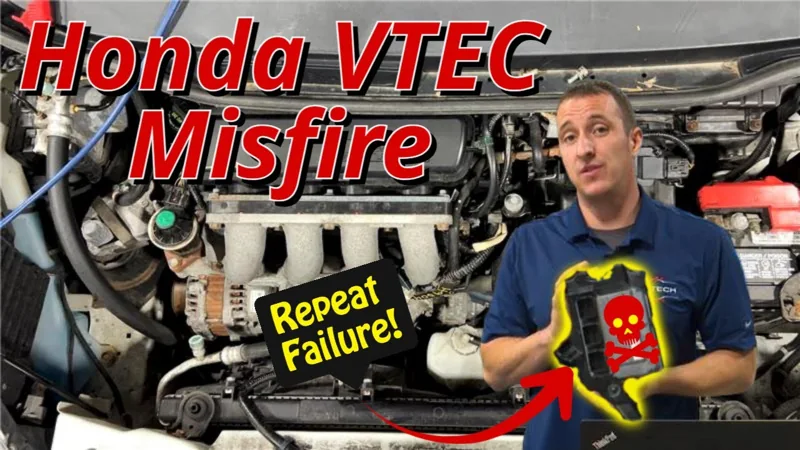
Video loads only when you choose to play.
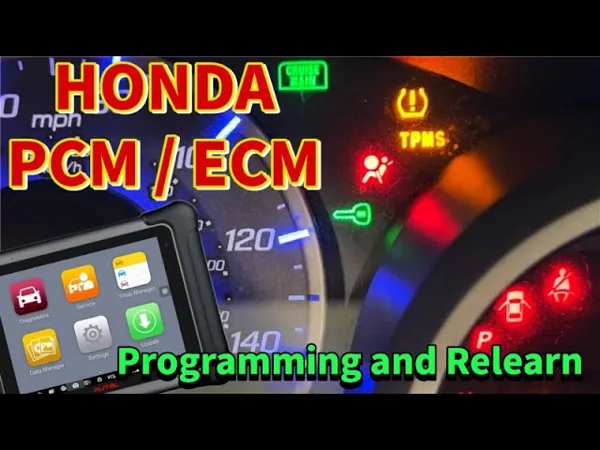
Video loads only when you choose to play.
What this guide covers
One 2013 Honda Fit case, combining diagnosis and its PCM-setup follow-up. Injector installation, a complete wiring procedure, all-Honda tool compatibility and long-term repair confirmation are outside what these videos demonstrate.
Written by GoTech from the original videos. The linked source moments let you check the explanation against the demonstration.