
What P0420 means
The engine computer checks how well the catalytic converter is working. P0420 means that check fell below its threshold on Bank 1, the engine bank containing cylinder 1. Before reading a graph or ordering a part, identify which converter and sensors the computer is checking.
Freeze frame, monitor and PID: the terms explained
- Freeze frame
- A saved snapshot of operating conditions when a fault was recorded, such as engine speed and temperature.
- Monitor
- A self-test the vehicle runs when its required conditions are met. “Not ready” means the test hasn’t completed.
- Data item / PID
- A reading your scan tool displays. Its name, units and meaning depend on the sensor and application.
What to do first
Save the full code list and available freeze frame before clearing anything. Note symptoms and recent work. A basic reader can preserve codes; interpreting live sensor data requires suitable equipment and the vehicle’s test procedure.
Flashing check-engine light or severe running symptoms? Follow the owner’s manual and prioritize professional assessment of the running problem before a catalyst test drive.
Open the diagnostic checklist →Possible causes and what to check
Start with what you’ve found. Other codes, recent work and your vehicle’s service procedure help decide which check comes first. These possibilities are not a parts list.
| What you found | What it tells you | Next check |
|---|---|---|
| Other codes, rough running or a recent repair | Another fault or a vehicle-specific instruction may need attention first. | Review codes and history |
| An exhaust leak | Find the leak, then check whether it can affect the sensor reading. | Locate and assess the leak |
| Uncertain sensor data or response | Confirm sensor identity, circuit condition and the prescribed response test. | Check the rear O₂ signal |
| A catalyst that may be underperforming | Combine the previous checks with the application’s catalyst test. | Evaluate the catalyst test |
From the GoTech workshop
See how GoTech diagnoses P0420
Demonstrated on a 2002 Toyota Camry 2.4L.
In this case, the flex-pipe leak was after the rear sensor. See how the technician combined leak location, sensor response and the warm graph, then checked the repair.
Follow the diagnosis →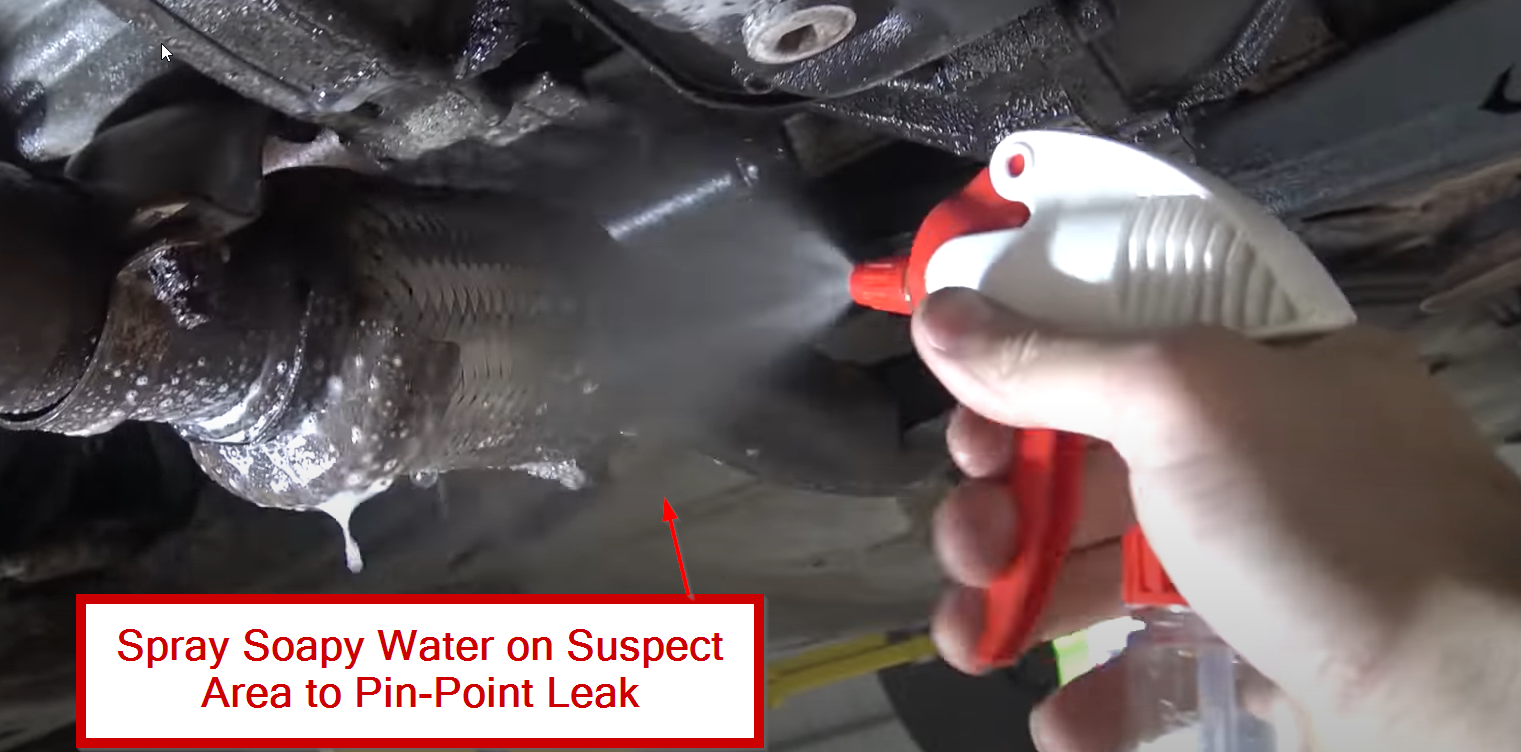
Sources and what is verified
Case evidence: GoTech’s original video, published July 9, 2020, the owner-supplied subtitles, and images already in the original guide. Chapter links use the existing guide’s timestamps. Vehicle, observations and repair outcome are attributed to the presenter.
Technical context: Walker’s P0420 diagnostic guidance and DENSO’s A/F and O₂ sensor explanation, checked October 8, 2026.
Editorial preparation: AI-assisted written guide, checked against the supplied transcript and cited sources on October 8, 2026. This is a source check, not technician approval. Independent GoTech technical review is pending.
Limits: cited equipment methods and Toyota connection references have their stated scope. The complete Camry diagnostic, replacement and confirmation procedure is not yet supplied. Your vehicle’s fitment and the video’s reported emissions result have not been independently verified.
Suggested checks: GoTech’s editorial guidance combines your reported answers with the cited evidence; it does not diagnose your vehicle.