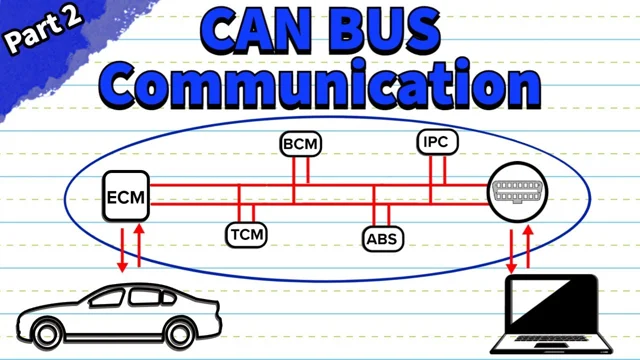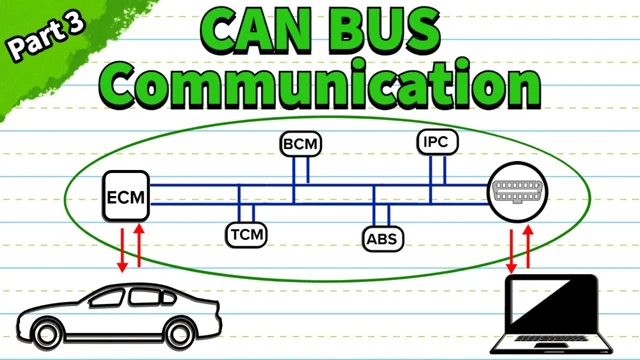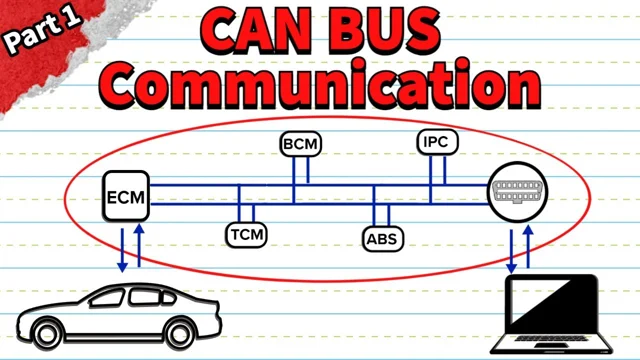
CAN PART 1 OF 3
How CAN communication works
Original video length · 33:44
See why a good scan response can leave another branch untested. Follow the Escalade and Acadia examples.
Understand communication →
AUTOMOTIVE NETWORKS · GOTECH
CAN lets vehicle modules share information. Start with that idea, see how the wiring changes a test, then follow a real fault through the diagnosis.
Three free lessons. Compare diagrams, follow the cases and try three reasoning checks in each lesson. Use the video when you want to see the original explanation.
START WITH THE IDEA
In the video's simple example, the engine computer needs coolant temperature to manage the engine. The instrument cluster needs it for the gauge. Instead of giving each module its own temperature sensor, the engine computer can share that information over a network.
A simplified information flow from Part 1. These arrows show the idea—not connector pins, wire colors or a layout for your vehicle.
CAN—Controller Area Network—is one way vehicle modules exchange information. A vehicle can have several networks, with a gateway linking them. So when a module won't communicate, the first question is: which network are we looking at?
Follow the example in Part 1 →CHOOSE YOUR STARTING POINT
New to CAN? Start with Part 1. Already tracing a fault? Study the Ascent case, then revisit the wiring or communication lesson when you need it.
CAN PART 1 OF 3
Original video length · 33:44
See why a good scan response can leave another branch untested. Follow the Escalade and Acadia examples.
Understand communication →CAN PART 2 OF 3
Original video length · 47:10
Compare junctions, onward wiring and termination before drawing a conclusion from a disconnection.
Explore the wiring →CAN PART 3 OF 3
Original video length · 58:43
Follow the Subaru Ascent no-crank case from module response patterns to its final, limited findings.
Follow the diagnosis →New to wiring diagrams? Start with the wiring foundations →
The definition of CAN follows Texas Instruments’ introduction to CAN (PDF). The diagram and cases come from GoTech’s original CAN series; source moments are linked beside each explanation. The diagram shows communication relationships, not a vehicle’s wiring or a test procedure.
Optional. No written response is collected.