
Separate sealing, actuation and flow
In the training demonstration, the presenter relates purge command to a vacuum-gauge response, then explains why a normally closed valve should not pass vacuum when it is not being operated. This separates mechanical sealing from an electrical command and from the resulting flow.
| Question | Meaning | What it does not establish |
|---|---|---|
| Does it seal when it should be closed? | Addresses unwanted passage through the valve. | Whether its control circuit operates correctly. |
| Does it respond to the intended command? | Addresses actuation in the documented test state. | A click does not measure sealing or flow. |
| Does the expected flow response follow? | Connects valve operation to the path being tested. | One response does not prove the rest of the EVAP system leak-free. |
Did this help you move forward?
Optional. No written response is collected.
Watch the source in context
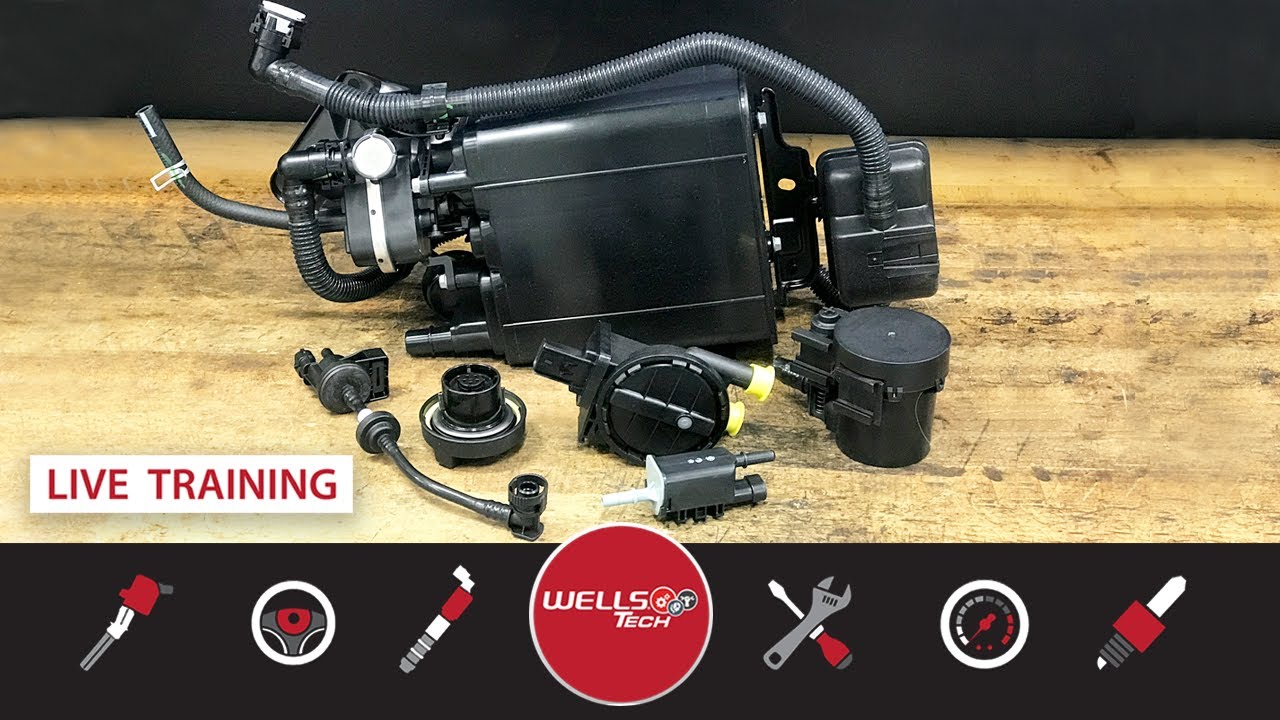
Video loads only when you choose to play.
Did this help you move forward?
Optional. No written response is collected.
Sources, review and limits
Prepared by GoTech with AI assistance. Source wording and the bounded educational interpretation were checked in two reasoning passes by the same assistant. Technician review is pending; vehicle-specific service information and visual details have not been independently verified. Original source files remain unchanged.
- Separate sealing, actuation and flow
- Source demonstration, not an instruction to disconnect, energize or probe an unidentified vehicle. Watch the source · 83:40
About older links to this guide
This guide has been rewritten around the available source evidence. An older section link may land here; use “In this guide” above to find the revised explanation. Original source files are retained in GoTech’s review history.