
Check more than the resistor
- Identify how this vehicle controls blower speed.
The demonstrated resistor system uses a different path for high speed. Use your wiring diagram to verify that arrangement. An electronic blower-control module is not automatically diagnosed or replaced the same way.
- Record which speeds work and whether this is a repeat.
In the original case, the customer says the replacement resistor lasted about a month. That history matters: restoring the speeds without investigating the repeat failure leaves the job unfinished.
- Inspect the motor and the airflow path.
With the system safely off, GoTech checks the removed motor for binding or roughness and finds it turns freely. The cabin filters are heavily loaded with leaves and debris. Free rotation is useful information; it is not a measured current test.
- Use a proper electrical test where needed.
Inspect the relevant wiring and connections and measure motor current using the vehicle’s specified conditions and limits. The original video’s “half the fuse rating” shortcut is not used here as a universal motor-failure threshold. It does not replace the correct specification.
The important correction: less airflow did not mean more current
GoTech published a follow-up because the original explanation got this wrong. The correction is part of this guide, not an optional footnote.
Restriction reduced motor current
The presenter tests a 2016 F-150 and a separate bench setup. Restricting airflow reduces the current in those demonstrations. Removing the restriction increases it.
Less airflow may mean less resistor cooling
The presenter explains that reduced air passing the resistor can let it overheat. The follow-up does not show a resistor-temperature measurement or recreate the original resistor’s thermal failure.
Keep the two ideas separate: a restricted filter deserves attention, but the original “filter restriction makes the motor draw more current” explanation is withdrawn. The F-150 and bench readings are not universal pass/fail numbers.
▶ What GoTech corrected 0:21▶ The F-150 current test 1:55▶ Bench airflow and current 5:18▶ The resistor-cooling explanation 5:58Repair the established fault, then run through every speed
- Correct the diagnosed electrical fault and the airflow problem.
In the original case, GoTech replaces the resistor and the two loaded cabin filters. The motor is retained after its mechanical inspection. This is the repair shown—not an instruction to replace every resistor and filter for this symptom.
- Keep the protection in place.
Use the correct replacement components and repair procedure. Do not bypass a thermal fuse or substitute a larger circuit fuse to keep the blower running.
- Check all speeds and the original complaint.
The video demonstrates speeds one through five working after repair. Confirm airflow and the repaired connections too. The video shows restored operation that day; it does not establish months of trouble-free service.
What if my symptom is different?
The blower does not run on any speed. Same repair?
Do not assume so. Losing all speeds is a different starting point. Use the circuit diagram to check the appropriate supply, protection, control, ground and motor path. This case does not isolate every no-blower fault.
Can I test the resistor by looking at it?
The failed resistor in the original video looks relatively new. Appearance does not prove electrical continuity or rule out an opened thermal device. Use the correct test for the assembly.
Will a cabin filter fix the missing speeds by itself?
That is not what the original repair demonstrates. GoTech replaces both the failed resistor and loaded filters. The restored speeds do not separately prove how much each change contributed to the original failure.
Watch the original GoTech videos
Every timestamp above plays here. Use “Back to where you were” to return to the check you were reading.
Video loads only when you choose to play.
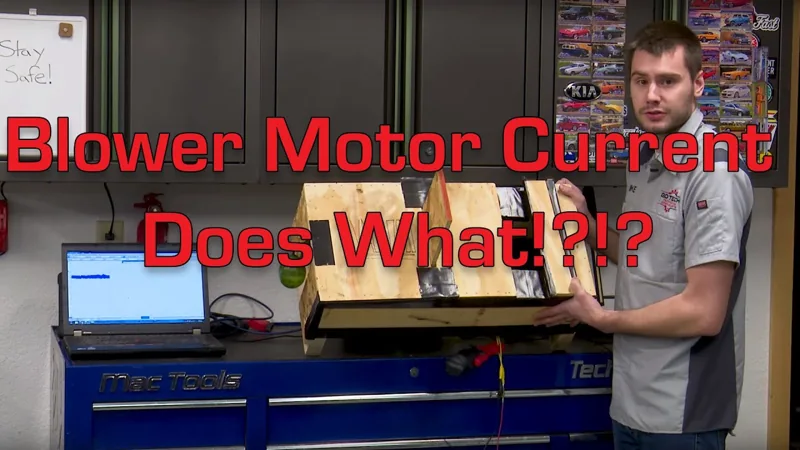
Video loads only when you choose to play.
What this guide covers
Original repair plus its published correction. The current behavior is demonstrated; the resistor-cooling cause is an explanation, not a measured thermal-failure test. No universal current limit or electronic-module test is supplied.
Written by GoTech from the original videos. The linked source moments let you check the explanation against the demonstration.